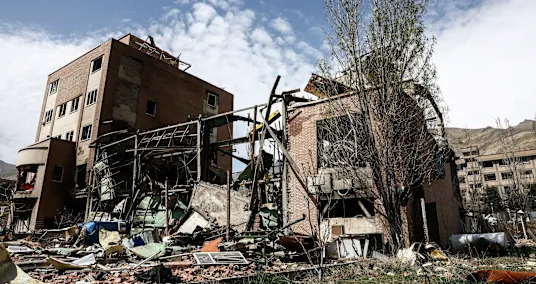
In Tehran, a city of nine million people, schools are closed, businesses are shuttered or struggling, and locals are living without a functioning air-raid warning system or public shelters. In many areas, the first sign of an incoming strike is the explosion itself.
There have been twice as many US and Israeli attacks on Iran compared to the number of Iranian retaliatory strikes since the war began — and the numbers killed in Iran have been orders of magnitude greater than in the neighboring Gulf states. A nationwide internet blackout, now entering its second month, has left civilians unable to access information about safety, shelter, and food and has meant some are unable to work. But while millions have fled Iran’s cities, many more are staying where they are. Some residents are hoping the US and Israeli bombs will cause the regime to collapse; others are left wondering if they are at risk if their neighbors are targeted.
For the many Iranians with ties to Dubai, there are other pressures, with Iranian nationals now barred from entering or transiting through the UAE. Residency permits, even for those with long-term Golden Visas, are reportedly being revoked without notice.

LATEST POSTS
- 1
 Merz visit highlights new strategic, and strained, Germany-Israel bond
 - 2Watching ‘Home Alone’ with the kids this holiday season? Brace yourself for '6-7.'
- 3Novo Nordisk cuts Wegovy price in South Africa for a second time
- 4Top Pastry: What's Your Sweet Treat of Decision?
- 5Find the Wonders of the Silk Street: Following the Antiquated Shipping lanes




- RFK Jr. releases new dietary guidelines with emphasis on protein, full-fat dairy
- 3 moms, 3 countries, 1 very familiar problem: Why child care costs still don't add up for families
- Germany paves the way for tighter EU asylum rules
- Surging measles cases are 'fire alarm' warning that other diseases could be next
- Famous Versatile Brands: Your Decision
- Genesis Marks 10th Anniversary With Magma GT Concept Aimed at High-Performance Flagships
- I’m a dad to an autistic child. Here’s how you can make the holidays easier for all of us.
- 10 Work Valuable chances to Assist with supporting Your Advanced degree
- US FDA approves Kura-Kyowa's blood cancer therapy