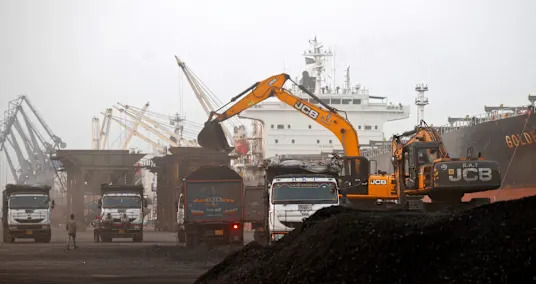
India’s much-delayed 2035 climate plan underestimates the country’s clean energy potential and allows for an acceleration of emissions growth, according to analysts. The plan aims to reduce the emissions intensity of its GDP by 47% from 2005 levels and increase the share of its electricity capacity from nonfossil sources to 60% by 2035.
The reduced carbon intensity target would, however, still allow India’s carbon emissions to increase by 70% over the next decade if GDP grows at a target rate of 7% per year, Lauri Myllyvirta of the Centre for Research on Energy and Clean Air told Semafor. That would translate to emissions growth of 5.5% per year, above the average rate of 3.5% over the past decade.
India is also on track to achieve its clean power capacity target well ahead of time: Its Central Electricity Authority projects that nearly 70% of power capacity will come from nonfossil sources by 2035-36.
“India’s booming clean energy industry is highly likely to deliver much faster progress than policymakers were prepared to commit to,” Myllyvirta said. Disruptions to oil and gas flows caused by the Iran war and the competitiveness of clean energy could strengthen the case for accelerating renewable deployment.
LATEST POSTS




 Israeli president concerned over proposed renaming of park
- Is Chinese food truly flavorful?
- Vote in favor of the Top Vegetable for Senior
- Netflix’s Price Hikes Just Got Rejected by an Italian Court. Here’s Why It Matters Everywhere
- Meet ‘NASA Mike,’ who’s done 105,000 handstands around the world
- Early Thanksgiving week forecast: Where Americans can expect cold, rain and snow for the holiday
- Which Exhibition hall Do You Suggest? Vote
- Iran, Hezbollah fire rockets at Israel during Passover celebrations
- The Fate of Mechanical technology: 5 Headways Forming Tomorrow